 London, Essex & Kent
 info@lunarindigo.com
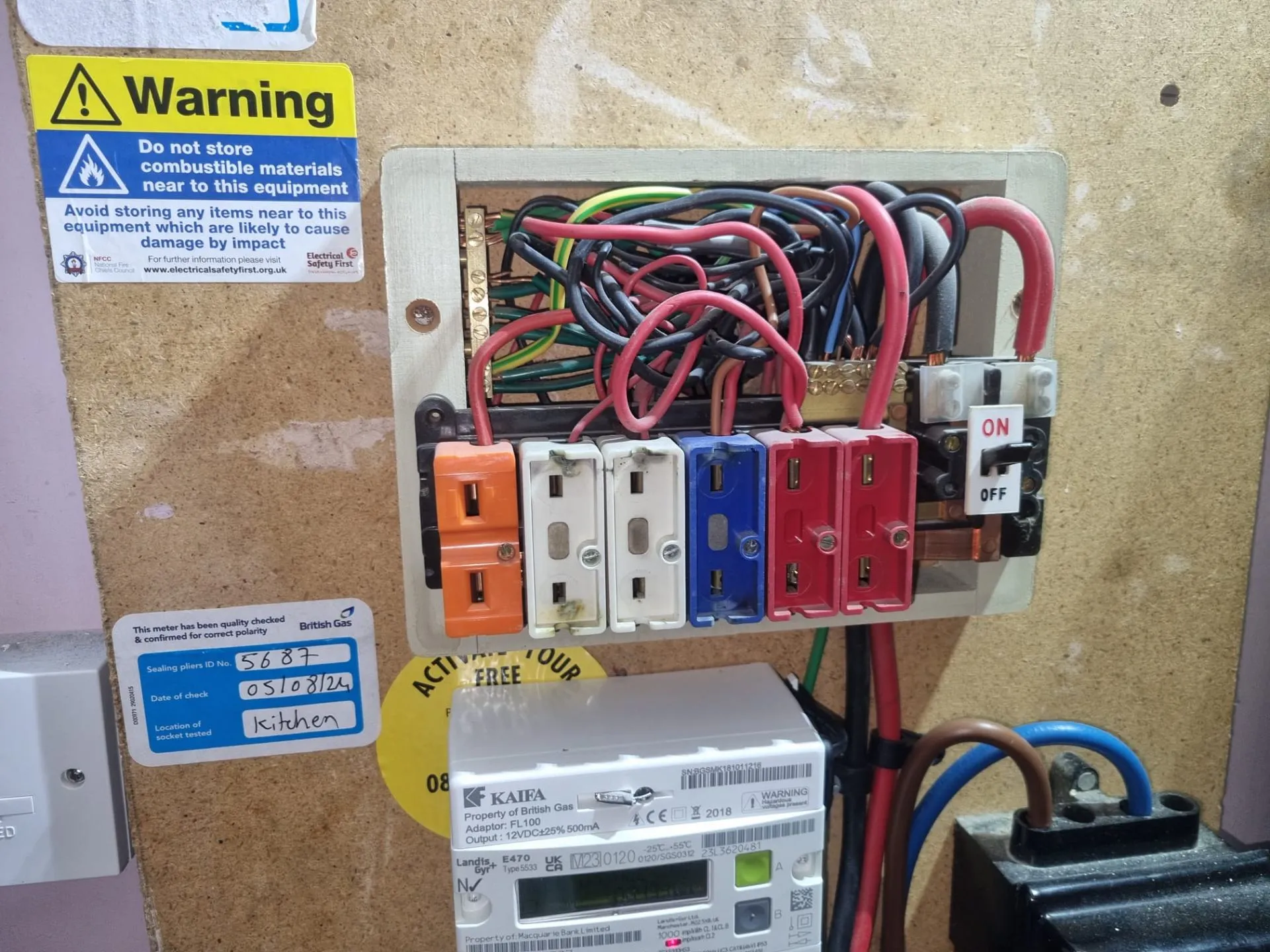
House Rewiring: Signs You Need New Electrical Wiring
House rewiring is one of the most important electrical upgrades you can make to ensure your family’s safety and your property’s value. Many Essex homes, particularly those built before 1970, may need complete or partial rewiring.
Warning Signs Your Home Needs Rewiring
Immediate Safety Concerns: – Frequent electrical trips or blown fuses – Burning smells from sockets or switches – Scorch marks around outlets – Electric shocks from appliances or switches – Flickering or dimming lights
Age-Related Indicators: – Property built before 1960 (likely needs complete rewire) – Property built 1960-1980 (may need partial rewire) – Old-style consumer units with wire fuses – Rubber or fabric-covered cables – Round pin sockets throughout
Performance Issues: – Insufficient sockets requiring extension leads – Inability to run multiple appliances simultaneously – No RCD (residual current device) protection – Inadequate earthing systems
Types of Rewiring
Full Rewire: – Complete replacement of all electrical cables – New consumer unit installation – Modern socket and switch layout – Updated earthing and bonding
Partial Rewire: – Specific circuits or areas – Consumer unit upgrade – Addition of RCD protection – Kitchen/bathroom upgrades
The Rewiring Process
Week 1: Planning and First Fix 1. Initial electrical survey and design 2. Notification to building control 3. Cable installation behind walls 4. Consumer unit installation 5. First fix electrical work
Week 2: Plastering and Making Good 6. Wall repairs and plastering 7. Drying time for new plaster 8. Decoration preparation
Week 3: Second Fix 9. Socket and switch installation 10. Light fitting connections 11. Final testing and certification 12. Building control inspection
Costs and Timeframes
Typical Costs (Essex): – 2-bedroom house: £3,500-£5,500 – 3-bedroom house: £4,500-£7,000 – 4-bedroom house: £6,000-£9,000 – Victorian terrace: £5,500-£8,500
Factors Affecting Cost: – Property size and complexity – Access to cable routes – Number of circuits required – Quality of fixtures and fittings – Structural complications
Duration: – Planning and design: 1-2 weeks – Installation work: 5-10 days – Plastering and decoration: 1-2 weeks – Total project: 3-5 weeks
Modern Electrical Standards
Our rewires include:
Safety Features: – RCD protection on all circuits – AFDD (Arc Fault Detection Devices) where required – Surge protection devices – Smoke alarm interconnection
Modern Conveniences: – USB charging outlets – Smart home pre-wiring – Adequate circuits for modern living – Outside power supplies
Future-Proofing: – EV charging preparation – Solar PV readiness – Home automation capability – Fibre/data cabling
Planning and Building Control
Building Regulations: – Part P notification required – Building control inspection – Electrical Installation Certificate – Compliance with 18th Edition
Planning Considerations: – Minimal disruption scheduling – Temporary electrical supplies – Coordination with other trades – Protection of furnishings
Living During Rewiring
Preparation: – Remove valuable items – Arrange temporary accommodation if needed – Plan for power outages – Coordinate with contractors
Minimising Disruption: – Phased approach where possible – Room-by-room completion – Temporary electrical supplies – Clear communication schedule
Certification and Warranties
Upon completion, you’ll receive: – Electrical Installation Certificate – Building control completion certificate – 10-year installation warranty – Insurance notification documents
Why Choose Professional Rewiring
Safety Benefits: – Elimination of electrical hazards – Modern safety device protection – Compliance with current standards – Professional installation guarantee
Value Benefits: – Increased property value – Improved insurance rates – Future-proofed electrical system – Enhanced marketability
Don’t compromise on electrical safety. Contact Lunar Indigo Electrical for a comprehensive rewiring assessment of your Essex property.
